

Cereal Grains, Weight Gain & Metabolic Health: An Evidence-Based Perspective
- Can cereal grains contribute to weight gain?
- Did humans genetically adapt from a hunter-gatherer diet to a cereal grain–based diet?
- Do cereal grains contribute to autoimmune conditions such as Celiac disease?
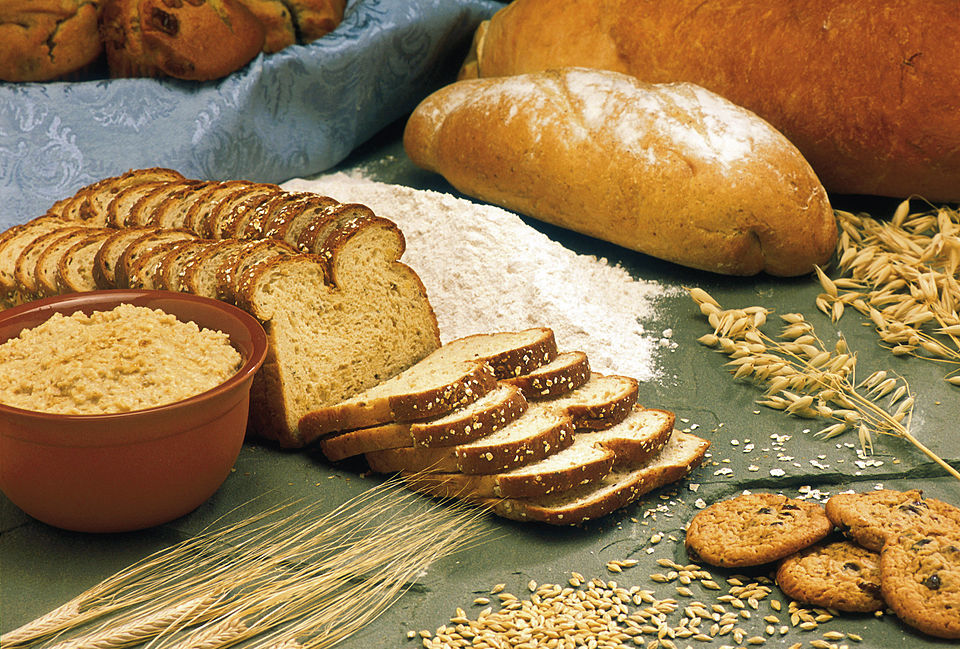
Various grains
Cereal Grains and Weight Gain – What Is the Real Issue?
As humans evolved primarily as hunter-gatherers, diets consisted largely of protein, natural fats, roots, nuts, and vegetables. The transition to agriculture introduced large-scale consumption of cereal grains such as wheat, rice, and corn.
From an evolutionary standpoint, agriculture (approximately 10,000 years ago) is relatively recent. While it allowed civilization to flourish, it also introduced dietary patterns that may not fully align with modern metabolic health—especially when combined with highly processed foods.
Do Cereal Grains Contribute to Weight Gain?
The answer is nuanced. Whole grains can be part of a healthy diet, but refined cereal grains—such as white rice, white bread, and processed grain products—can contribute to weight gain due to:
- High glycemic index
- Rapid spikes in blood glucose
- Increased insulin secretion
- Promotion of fat storage
Repeated spikes in insulin may lead to insulin resistance, a key driver of:
Excess insulin also promotes central (abdominal) fat accumulation, which is strongly associated with:
Nutritional Limitations of Cereal Grains
Cereal grains—especially refined ones—may lack or be deficient in key nutrients:
- Vitamin C
- Vitamin B12
- Carotenoids
- Essential amino acids
- Minerals
Heavy reliance on grains can displace nutrient-dense foods such as fruits, vegetables, and high-quality protein sources—potentially increasing the risk of chronic disease.
Anti-Nutrients and Absorption Issues
Some cereal grains contain compounds such as:
These may interfere with nutrient absorption in certain individuals, potentially contributing to micronutrient deficiencies. However, proper preparation (soaking, cooking, fermentation) can significantly reduce these effects.
Do Cereal Grains Cause Autoimmune Diseases?
Certain individuals may develop autoimmune reactions to specific grain components:
- Celiac disease – autoimmune response to gluten
- Gluten sensitivity
- Wheat allergy
However, these conditions affect a minority of the population. For most individuals, grains do not cause autoimmune disease when consumed appropriately.
Did Humans Adapt to Grain-Based Diets?
Humans have partially adapted to starch digestion (e.g., increased amylase production), but modern diets—rich in processed grains and sugars—are very different from both ancestral and traditional diets.
The issue is less about grains themselves and more about:
- Degree of processing
- Excess consumption
- Lack of dietary diversity
Why Belly Fat Matters
Excess abdominal fat is not just cosmetic—it is metabolically active and contributes to:
- Prediabetes
- Diabetes
- Inflammation
- Increased risk of cancer
Practical Dietary Recommendations
- Limit refined grains (white bread, white rice, processed cereals)
- Choose whole grains in moderation
- Increase intake of protein, vegetables, and healthy fats
- Focus on nutrient-dense foods rich in vitamins and minerals
- Maintain a balanced diet with antioxidants, essential fatty acids, and micronutrients
According to Dr. Prab R. Tumpati, MD, the best diet is a balanced, individualized plan that accounts for metabolic health and nutrient needs.
How W8MD Weight Loss Centers in NYC and Philadelphia Can Help
At W8MD Medical Weight Loss Centers in New York City and Greater Philadelphia, patients receive comprehensive, evidence-based care for metabolic and weight-related conditions.
For Children, Men, and Women
W8MD specializes in treating patients across all age groups:
- Children (including FDA-approved semaglutide for age 12+)
- Men with abdominal obesity and metabolic syndrome
- Women with hormonal and metabolic weight challenges
Advanced Medical Treatments
- GLP-1 weight loss medications (semaglutide, tirzepatide)
- Targeting insulin resistance
- Medical weight loss programs
- Nutrition counseling
- Sleep medicine evaluation
- Exercise planning
Affordable GLP-1 Programs
- GLP-1 weight loss injections starting as low as $59.99/week
- Physician-supervised care
- Customized treatment plans
These treatments address the root metabolic causes of weight gain—not just calorie intake—leading to sustainable results.
Final Thoughts

W8MD weight loss sleep and medspa team
Cereal grains are not inherently harmful, but excessive intake of refined grains in the modern diet can contribute to:
- Weight gain
- Insulin resistance
- Chronic disease
The key is balance, quality, and metabolic awareness.
With expert guidance from W8MD and modern therapies like GLP-1 medications, patients can achieve:
- Sustainable weight loss
- Improved metabolic health
- Reduced risk of chronic disease
Take control of your health today with science-based, physician-guided care.