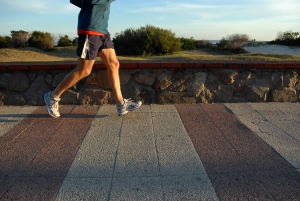

Many people are told that the key to weight loss is simply to “exercise more.” While exercise is one of the most important tools for improving health, strength, mood, sleep, and long-term weight maintenance, research shows that exercise alone is usually not enough for significant weight loss.

exercise for weight loss
The more accurate message is this: exercise is extremely valuable, but most patients get the best weight loss results when exercise is combined with a calorie-controlled diet, behavior change, and when appropriate, medical weight loss treatments such as GLP-1 weight loss shots or appetite suppressant medications.
Why Exercise Alone Usually Is Not Enough for Weight Loss — and Why Diet, Exercise, and Medical Weight Loss Work Better Together
This is why W8MD Weight Loss, Sleep & MedSpa uses a comprehensive, physician-supervised approach that combines nutrition, physical activity, behavioral support, sleep optimization, and evidence-based medications when medically appropriate. The original article correctly noted that exercise alone often does not produce enough weight loss for many patients, and that a combined approach is usually more effective. :contentReference[oaicite:0]{index=0}

W8MD weight loss sleep and medspa team
Does Exercise Alone Work for Weight Loss?
Exercise can help burn calories, build muscle, improve insulin resistance, reduce inflammation, improve cardiovascular health, and reduce the risk of chronic disease. However, as a stand-alone treatment for obesity, exercise usually produces only modest weight loss.
There are several reasons:
- Calorie burn is often overestimated: Many people believe they burn more calories than they actually do during exercise.
- Appetite may increase: Some people unconsciously eat more after exercising.
- Compensation occurs: People may move less later in the day after intense exercise.
- Muscle gain may mask fat loss: Strength training can improve body composition even when the scale changes slowly.
- Metabolic adaptation: With weight loss, the body may reduce energy expenditure to defend against further weight loss.
This does not mean exercise is “useless.” Rather, exercise alone is usually insufficient for major weight loss, but it remains essential for long-term health and weight maintenance.
Why Diet Matters More for Initial Weight Loss
Weight loss requires a sustained energy deficit, meaning the body must use more energy than it takes in. For many patients, it is easier to reduce 500 calories per day from food intake than to burn 500 calories through exercise.
For example, a high-calorie meal, sugary drink, or snack can erase the calorie deficit created by an hour of exercise. This is why a structured diet plan is usually the foundation of successful weight loss.
Effective dietary strategies may include:
- High-protein meals to preserve muscle and reduce hunger
- Higher fiber intake to improve fullness and gut health
- Reduced intake of refined carbohydrates and sugary drinks
- Portion control and meal planning
- Low-calorie or very-low-calorie diets when medically supervised
- Meal replacements when appropriate
W8MD offers individualized nutrition counseling and medically supervised dietary plans, including calorie-controlled eating strategies and affordable meal replacement options.
Why Exercise Still Matters — Even If It Does Not Produce Large Weight Loss Alone
Exercise is one of the strongest predictors of long-term weight maintenance. Even when weight loss is mostly driven by diet and medication, exercise helps the body become healthier, stronger, and more metabolically flexible.
Benefits of regular physical activity include:
- Improved insulin sensitivity
- Lower risk of type 2 diabetes
- Reduced blood pressure
- Improved cholesterol and triglycerides
- Better mood and lower stress
- Improved sleep quality
- Preservation of lean muscle during weight loss
- Lower risk of weight regain
The Look AHEAD trial, a major long-term study in people with type 2 diabetes and excess weight, showed that intensive lifestyle intervention improved weight, physical activity, and several cardiometabolic risk factors over years of follow-up, even though the primary cardiovascular endpoint was not significantly reduced. :contentReference[oaicite:1]{index=1}
The Best Results Come from Combining Diet, Exercise, and Medical Weight Loss
The strongest evidence supports a combined approach. This is especially true for people with metabolic syndrome, prediabetes, PCOS, fatty liver disease, sleep apnea, or long-standing obesity.
A combined plan works better because each part addresses a different driver of weight gain:
- Diet creates the calorie deficit needed for fat loss.
- Exercise improves fitness, insulin sensitivity, muscle mass, and maintenance.
- Behavior change helps patients build long-term habits.
- Sleep treatment reduces fatigue, cravings, and metabolic stress.
- Medications reduce hunger, cravings, and biological resistance to weight loss.
GLP-1 Weight Loss Shots: Why They Changed Obesity Treatment
Newer GLP-1 receptor agonists and incretin-based medications are among the biggest breakthroughs in modern obesity medicine. These medications work with the body’s appetite and metabolic signaling systems, rather than relying only on willpower.
Common GLP-1 and incretin medications include:
- Semaglutide — used in Wegovy and Ozempic
- Tirzepatide — used in Zepbound and Mounjaro
- Liraglutide — used in Saxenda and Victoza
In the STEP 1 trial, once-weekly semaglutide 2.4 mg plus lifestyle intervention produced sustained, clinically meaningful weight loss in adults with overweight or obesity. :contentReference[oaicite:2]{index=2}
Tirzepatide has shown even larger average weight loss in major trials. In SURMOUNT-1, tirzepatide produced weight loss around 20% or more in adults with obesity, depending on dose, making it one of the most effective non-surgical medications currently available. :contentReference[oaicite:3]{index=3}
Newer data also suggest that tirzepatide may substantially reduce progression from prediabetes to type 2 diabetes in people with obesity or overweight, likely through both weight loss and direct metabolic effects. :contentReference[oaicite:4]{index=4}
Why GLP-1 Medications Work Better with Diet and Exercise
GLP-1 medications reduce appetite, cravings, and food noise, making it easier for patients to follow a calorie-controlled diet. However, nutrition and exercise remain important because they help patients:
- Preserve lean muscle mass
- Avoid inadequate protein intake
- Reduce gastrointestinal side effects
- Improve long-term weight maintenance
- Build habits that remain useful if medication is reduced or stopped
This is why W8MD does not view GLP-1 treatment as “just a shot.” It is part of a comprehensive medical weight loss plan.
Traditional Appetite Suppressant Medications
For some patients, traditional prescription weight loss medications may also be appropriate, either alone or as part of a broader plan. These include:
- Phentermine
- Phentermine/topiramate (Qsymia)
- Naltrexone/bupropion (Contrave)
- Orlistat
Traditional appetite suppressants may be helpful for selected patients, but they generally produce less average weight loss than newer GLP-1 and dual incretin medications. They also require careful screening for contraindications such as uncontrolled hypertension, cardiovascular disease, medication interactions, and psychiatric history.
Exercise Recommendations for Weight Loss and Maintenance
The best exercise program is one that is realistic and sustainable. Patients do not need to start with intense workouts. A practical plan may include:
- Brisk walking
- Using stairs instead of elevators
- Swimming
- Cycling
- Dancing
- Resistance training
- Stretching and mobility exercises
- Short activity breaks during the workday
For many patients, the goal is to gradually build toward at least 150 minutes per week of moderate-intensity physical activity, with resistance training 2–3 times per week when possible. Higher levels of activity may be needed for weight maintenance after significant weight loss.
Why Sleep Matters for Weight Loss
Poor sleep can increase hunger hormones, cravings, fatigue, and insulin resistance. Conditions such as obstructive sleep apnea are common in patients with obesity and can make weight loss harder.
W8MD’s integrated sleep medicine services can help evaluate and treat sleep disorders with home sleep testing, sleep consultations, and therapy options such as CPAP when appropriate.
How W8MD Medical Weight Loss Centers Can Help
W8MD Weight Loss, Sleep & MedSpa is not a typical “diet clinic.” Since 2011, W8MD has helped thousands of patients through physician-supervised, evidence-based, non-surgical weight loss programs. The original content notes that W8MD focuses on the true causes of weight gain and offers insurance-friendly visits at many locations. :contentReference[oaicite:5]{index=5}
W8MD’s comprehensive program may include:
- Physician-supervised medical weight loss evaluation
- Customized calorie-controlled diet plan
- High-protein meal replacement options
- Exercise and physical activity guidance
- Behavior change and maintenance planning
- Screening for insulin resistance and metabolic syndrome
- Evaluation of thyroid and metabolic factors when appropriate
- Sleep apnea and sleep disorder evaluation
- GLP-1 medications such as semaglutide and tirzepatide
- Traditional medications such as phentermine, Qsymia, Contrave, or orlistat when appropriate
Why the W8MD Approach Works Better Than Exercise Alone
Exercise alone may improve health but often does not overcome the biology of obesity. W8MD’s integrated approach works better because it addresses:
- Appetite signals
- Insulin resistance
- Metabolic adaptation
- Food cravings
- Sleep disorders
- Behavior patterns
- Long-term maintenance
This is the difference between simply telling a patient to “work out more” and actually providing a medically guided strategy that can work in real life.
W8MD Locations
Philadelphia Medical Weight Loss
W8MD Weight Loss, Sleep & MedSpa
1718 Welsh Road, 2nd Floor
Philadelphia, PA 19115
Call: 215-676-2334
Learn more: Weight loss Philadelphia and W8MD Philadelphia / King of Prussia region
Brooklyn / NYC Medical Weight Loss
W8MD Weight Loss, Sleep & MedSpa
2632 E 21st St., Suite L3
Brooklyn, NY 11235
Call: 718-946-5500
Learn more: Weight loss NYC and W8MD Medical Weight Loss Centers
Patient Experience
“Wonderful doctor. Speaks to me with respect and great knowledge on weight loss. Fabulous results after 2 months, I’ve lost 30 pounds. Highly recommend.” — Mike B.
“I lost 75 lbs with W8MD and feel great. I managed to come off many medications and off CPAP for sleep apnea. My only problem is that I now need new clothes, a problem I will trade for carrying the weight any day.” — J.W. Smith, CPA
Final Takeaway
Exercise is not useless—it is essential for health, strength, and long-term weight maintenance. But for meaningful weight loss, exercise alone is usually not enough. The best results typically come from combining:
- A structured diet plan
- Regular physical activity
- Behavior change
- Sleep optimization
- Medical weight loss medications when appropriate
With modern GLP-1 medications, traditional appetite suppressants, nutrition support, and sleep medicine under one roof, W8MD helps patients not only lose weight but also keep it off.


Pingback:Quora
Pingback:Weight loss truths and myths – by a weight loss doctor | W8MD Medical Weight Loss & Sleep Center Of New York City
Pingback:8 things to do for fast weight loss in Greater Philadelphia | Philadelphia Medical Weight Loss Center - Lose Weight, Fast And Safe In Philadelphia Or King Of Prussia
Pingback:What do New Yorkers Search Online for Weight Loss? | W8MD's Insurance Medical Weight Loss & Sleep Center Of New York City
Pingback:The best weight loss program in greater Philadelphia | Philadelphia's Insurance Medical Weight Loss Center - Lose Weight, Fast And Safe In Philadelphia Or King Of Prussia
Pingback:Safe weight loss programs New York City & Philadelphia | Phentermine and Topiramate Weight Loss Drug
Pingback:8 must know free weight loss tips to lose weight fast and safe in New York City | W8MD's Insurance Medical Weight Loss
Pingback:Lose Weight New York City | W8MD's New York City Insurance Weight Loss
Pingback:Philadelphia's Insurance Covered Medical Weight Loss and Sleep Center
Pingback:Why exercise alone is pretty useless for weight loss as reported on Time Magazine | Philadelphia's Insurance Covered Medical Weight Loss and Sleep Center
Pingback:Why exercise alone is useless for weight loss | Philadelphia's Insurance Covered Medical Weight Loss and Sleep Center
Pingback:Does exercising alone help you lose weight in New York City? | W8MD's NYC Insurance Medical Weight Loss
Pingback:News you do not want to hear about exercise and weight loss! – Philadelphia's Insurance Weight Loss Center
Pingback:weight loss programs, weight loss options and weight loss diets Philadelphia
Pingback:Women lose weight - W8MD Medical Weight Loss Centers of America