

Medical and Lifestyle Causes of Weight Gain
Weight gain rarely has one cause. Biology, environment, sleep, medications, health conditions, food access and activity can interact, and blame is not a treatment plan.
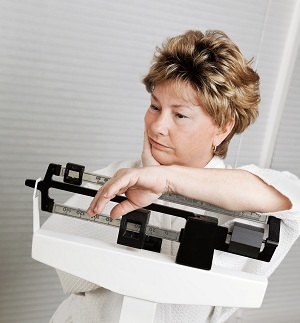
Potential contributors
Biology
Genetics, appetite regulation, aging and metabolic adaptation.
Medical factors
Sleep apnea, endocrine or reproductive conditions and weight-promoting medicines.
Environment
Food access, schedule, stress, caregiving, mobility and sleep opportunity.
Testing is selected from the history and examination; indiscriminate hormone panels are not automatically useful.
How W8MD can help
W8MD considers the condition in the context of weight history, current medicines, nutrition, sleep, physical ability, prior attempts, preferences, coverage and cost. Treatment may include lifestyle care, medical nutrition support, prescription options and related sleep evaluation when appropriate.
Care coordination
W8MD weight management complements rather than replaces primary care or specialist treatment. Laboratory tests are individualized. Patients should not independently reduce glucose, blood-pressure, psychiatric, thyroid or other medicines as weight or food intake changes.
Request a W8MD evaluation
Brooklyn: 718-946-5500 · Northeast Philadelphia: 215-676-2334
Calling is fastest. Use the form only for a non-urgent callback request and do not submit private medical, insurance, financial or other sensitive information.
Medical notice: Educational information only. The first visit is in person. W8MD does not promise a diagnosis, test, prescription, insurance approval or result. Medication changes must be coordinated with the responsible clinician. Call 911 for an emergency.
Content reviewed for general accuracy by W8MD clinical leadership. Last reviewed September 2026.
Comments are closed.
Pingback:safe weight loss programs New York City & Philadelphia | Phentermine and Topiramate Weight Loss Drug
Pingback:4 Things to do for losing weight fast in New York City | W8MD's Insurance Medical Weight Loss
Pingback:How to lose weight fast in Philadelphia | Philadelphia's Insurance Covered Medical Weight Loss and Sleep Center
Pingback:Losing weight in New York City | W8MD's New York City Insurance Weight Loss
Pingback:4 Things to do for losing weight fast in New York City | W8MD's
Pingback:Effects of obesity on health Philadelphia | Philadelphia's Insurance Covered Medical Weight Loss and Sleep Center
Pingback:New York city physician weight loss - W8MD's Insurance Weight Loss Centers
Pingback:What causes weight gain in Philadelphia? | Philadelphia's Insurance Covered Medical Weight Loss and Sleep Center
Pingback:risks of being overweight or obese
Pingback:W8MD Medical Weight Loss Centers Of America – Philadelphia's Insurance Weight Loss Center
Pingback:Weight loss programs in Philadelphia – Philadelphia's Insurance Weight Loss Center
Pingback:antibiotics and weight gain
Pingback:Finding the best primary care doctor
Pingback:causes of weight gain Philadelphia
Pingback:What causes weight gain in Philadelphia
Pingback:10 things to do for fast weight loss in New York City | W8MD's free weight loss doctors