

Obesity is not simply a cosmetic concern or a matter of willpower. It is a chronic, relapsing, metabolic disease influenced by genetics, hormones, food environment, sleep, medications, stress, and access to medical care. The original article correctly emphasized that obesity treatment requires both science and clinical judgment—not blame, shame, or fad diets.

The Science and Art of Obesity Treatment: Modern Evidence-Based Weight Loss with W8MD
At W8MD Weight Loss, Sleep & MedSpa, our physicians use the latest evidence-based approaches to help patients lose weight safely, improve metabolic health, and maintain long-term results.
Lessons from Nutrition History
Early nutrition thinkers such as Weston A. Price and William Banting observed that traditional diets rich in whole foods were often associated with better metabolic and dental health, while highly processed Western diets were linked with rising chronic disease. While some older theories have been revised by modern science, one important point remains relevant: food quality matters.
Modern obesity medicine now recognizes that diets high in refined carbohydrates, sugar, ultra-processed foods, and low-quality fats can worsen insulin resistance, appetite dysregulation, and chronic inflammation.

Lose weight NYC
Obesity, Hunger, and Metabolic Starvation
Many people with obesity are not simply “overeating.” They may be experiencing a state of metabolic dysfunction where stored fat is difficult to access for energy. When insulin levels remain chronically high, fat cells are pushed toward storage rather than release.
This helps explain why some patients feel hungry despite having excess body fat. The body is storing energy but not easily using it. This is one reason that low-glycemic nutrition, adequate protein, and insulin-lowering strategies can be so helpful.
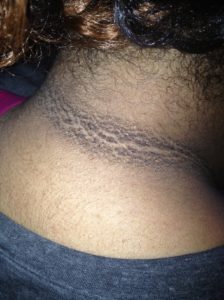
Acanthosis nigricans of the neck
Insulin Resistance and Fat Storage
Insulin resistance occurs when muscle, liver, and fat cells do not respond properly to insulin. The pancreas compensates by producing more insulin, which can promote fat storage—especially around the abdomen and upper body.
Insulin resistance is strongly associated with:
- Prediabetes
- Type 2 diabetes
- Metabolic syndrome
- Fatty liver disease
- PCOS
- Acanthosis nigricans
- Sleep apnea
Current Obesity Treatment: What Has Changed?
For many years, patients were told to “eat less and move more.” While a calorie deficit still matters, this advice is incomplete. Modern obesity care now includes medical evaluation, nutrition therapy, physical activity, behavioral support, sleep treatment, and FDA-approved medications.
The biggest change is the arrival of advanced incretin medications such as semaglutide and tirzepatide, which treat the biology of appetite, cravings, and metabolic disease.
GLP-1 and Dual Incretin Weight Loss Medications
GLP-1 receptor agonists and dual incretin medications work by reducing appetite, improving satiety, slowing gastric emptying, and improving glucose metabolism.
Key medications include:
- Semaglutide — used in Wegovy and Ozempic
- Tirzepatide — used in Zepbound and Mounjaro
- Liraglutide — used in Saxenda and Victoza
Tirzepatide has shown nearly 20% average body-weight reduction at higher doses in major obesity trials, with sustained results over longer follow-up.
Semaglutide 2.4 mg has also shown cardiovascular benefits. In the SELECT trial, semaglutide reduced major adverse cardiovascular events by about 20% in adults with overweight or obesity and established cardiovascular disease, even without diabetes. :
Beyond Weight Loss: Added Health Benefits of GLP-1 Medications
1. Diabetes Prevention
Tirzepatide has shown powerful diabetes-prevention effects in people with obesity and prediabetes. Three-year SURMOUNT-1 data showed a markedly lower risk of progression to type 2 diabetes, with reports describing about a 94% reduction compared with placebo.
2. Cardiovascular Disease Risk Reduction
Semaglutide has demonstrated reduction in major cardiovascular events in selected high-risk adults with overweight or obesity. This is important because obesity increases the risk of heart attack, stroke, hypertension, and heart failure.
3. Sleep Apnea Improvement
In December 2024, the FDA approved Zepbound, the brand name for tirzepatide, as the first medication for moderate to severe obstructive sleep apnea in adults with obesity. The FDA noted that weight reduction with tirzepatide improved obstructive sleep apnea in clinical studies.
4. Fatty Liver and Metabolic Liver Disease
Weight loss and improved insulin resistance can help patients with MASLD and MASH. Incretin therapies such as semaglutide and tirzepatide are being studied and used in obesity-related liver disease because of their effects on body weight, insulin resistance, and hepatic fat.
5. Inflammation and Cravings
By reducing visceral fat and improving insulin resistance, GLP-1 therapies may reduce systemic inflammation. Emerging research also suggests possible effects on reward pathways, cravings, alcohol use, and addictive eating behaviors, although this is still an evolving area and should not replace specialized addiction treatment.

Weight loss success stories
What Causes the Modern Obesity Epidemic?
The original article identified several important contributors, including food policy, refined carbohydrates, the failed “low-fat/high-grain” dietary era, and lack of physician education in nutrition.
Today, obesity experts also emphasize:
- Ultra-processed foods
- Sugary beverages
- Sedentary work
- Sleep deprivation
- Stress and cortisol biology
- Medication-induced weight gain
- Genetic susceptibility
- Food insecurity and poor access to healthy foods
What Actually Works for Obesity Treatment?
1. Nutrition Therapy
Effective plans may include low-carbohydrate diets, ketogenic diets, low-calorie diets, or very low-calorie diets under medical supervision.
2. Physical Activity
Physical activity is essential for cardiometabolic health, preserving lean muscle, and maintaining weight loss. Exercise alone often produces modest weight loss, but it is critical for long-term success.
3. Prescription Medications
Modern weight loss medications include GLP-1 therapies and traditional options such as:
4. Sleep and Metabolic Evaluation
Treating sleep apnea, insomnia, and poor sleep quality can improve energy, appetite regulation, insulin resistance, and weight-loss outcomes.
5. Bariatric Surgery
Bariatric surgery remains an effective option for selected patients with severe obesity, but many patients prefer non-surgical medical approaches first.
How W8MD Weight Loss Centers Can Help
W8MD believes obesity should be treated as a medical condition with compassion, science, and structure—not blame. Our physicians help patients identify the causes of weight gain and choose the best evidence-based treatment plan.
W8MD’s program may include:
- Physician-supervised medical weight loss
- Affordable GLP-1 weight loss injections
- Traditional prescription weight loss medications
- W8MD meal replacements
- VLCD and low-calorie diet plans
- Low-carb and keto-friendly nutrition guidance
- Insulin resistance and metabolic syndrome management
- Sleep apnea evaluation and home sleep studies
- Long-term weight maintenance support
Learn more about W8MD’s programs: W8MD Medical Weight Loss, NYC Medical Weight Loss, and Philadelphia Medical Weight Loss.

W8MD weight loss sleep and medspa team
Final Thoughts
The science and art of obesity treatment has changed dramatically. We now understand that obesity is driven by biology, environment, sleep, stress, hormones, insulin resistance, and food quality. With today’s tools—including GLP-1 medications, structured nutrition, sleep medicine, and personalized medical care—sustainable weight loss is more achievable than ever.
W8MD can help you lose weight safely, improve metabolic health, and build a realistic plan to keep the weight off.